Boron Carbide (B4C) is well known as one of the world's hardest manufactured materials. It is a suitable material for many high performance applications due to its attractive combination of properties. Some of Boron Carbide’s unique properties include: high hardness, chemical inertness, and a high neutron absorbing cross section.
Its outstanding hardness makes it a suitable abrasive powder for lapping, polishing and water jet cutting of metals and ceramics. The combination of low specific weight, high hardness and reasonable toughness makes it a suitable material for body and vehicle armor. Boron carbide is also extensively used as control rods, shielding materials and as neutron detectors in nuclear reactors due to its ability to absorb neutrons without forming long lived radionuclide. As it is a p-type semiconductor, boron carbide can be a suitable candidate material for electronic devices that can be operated at high temperatures. Boron Carbide is also an excellent p-type thermoelectric material.
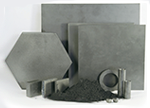
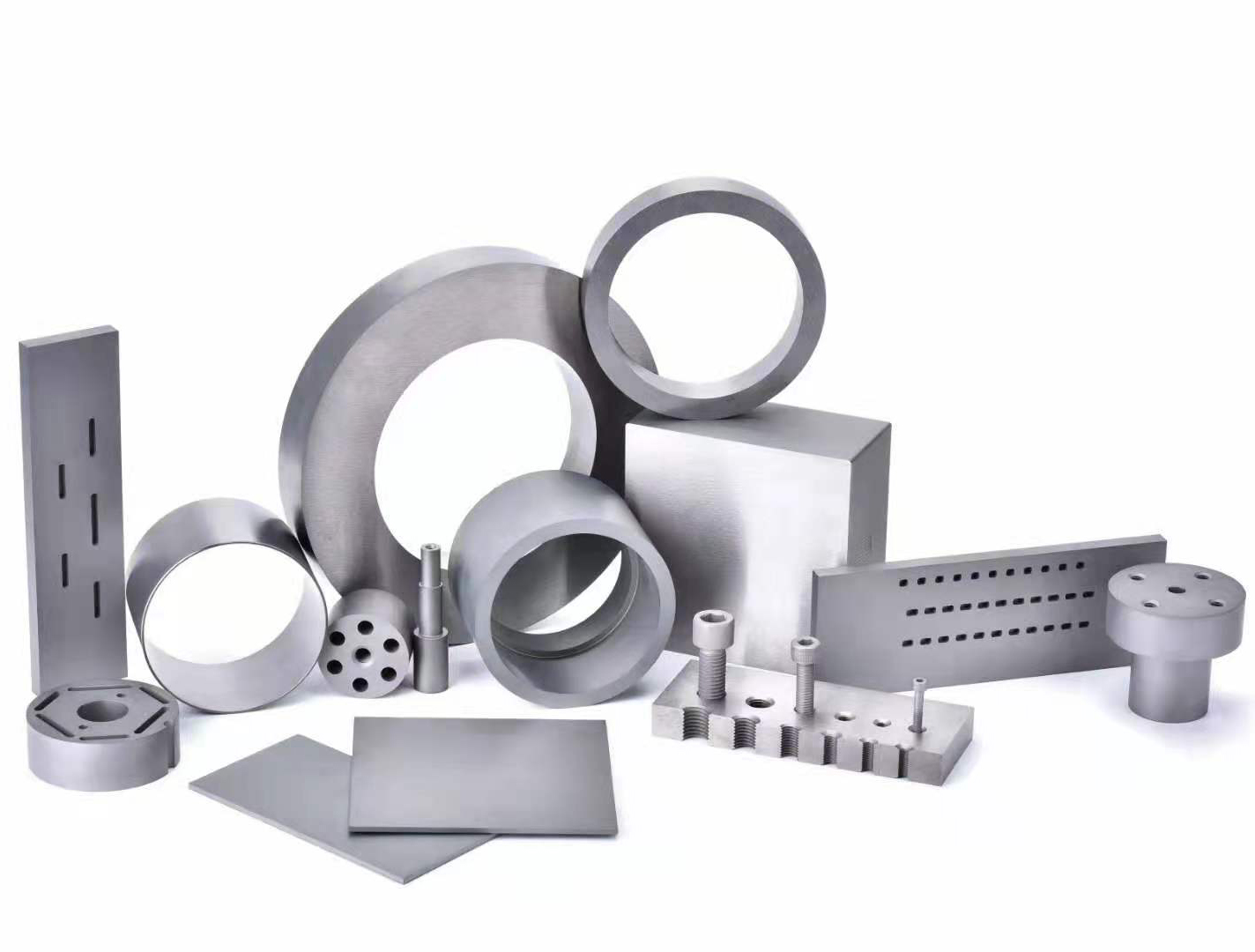
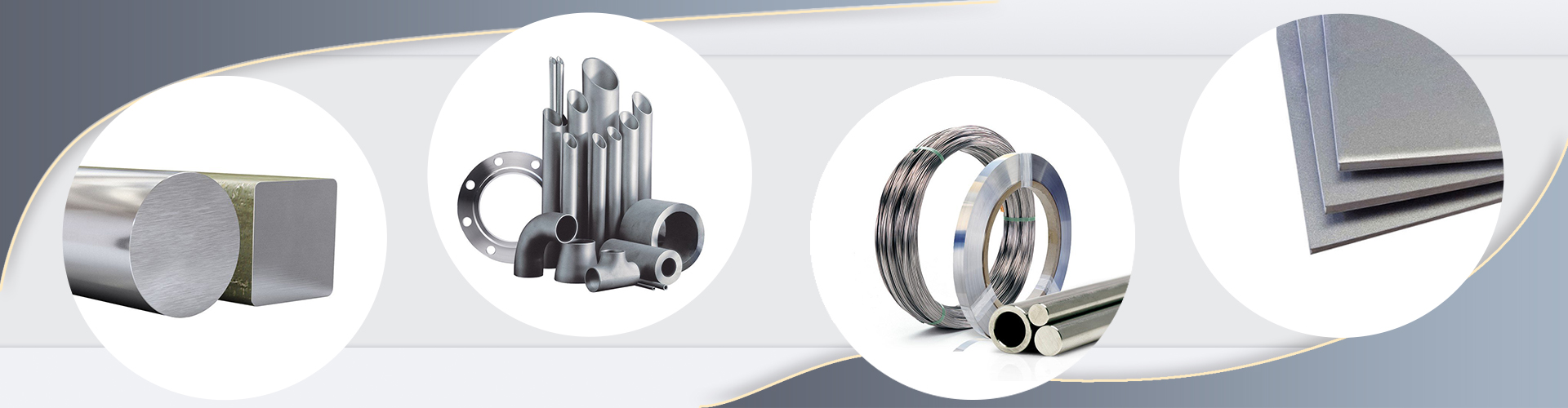
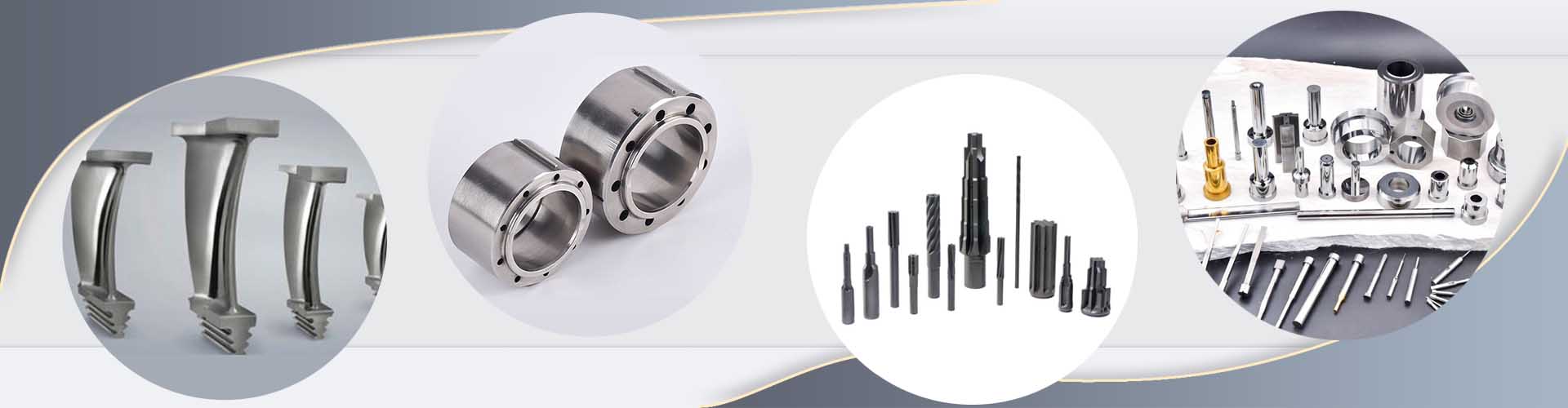
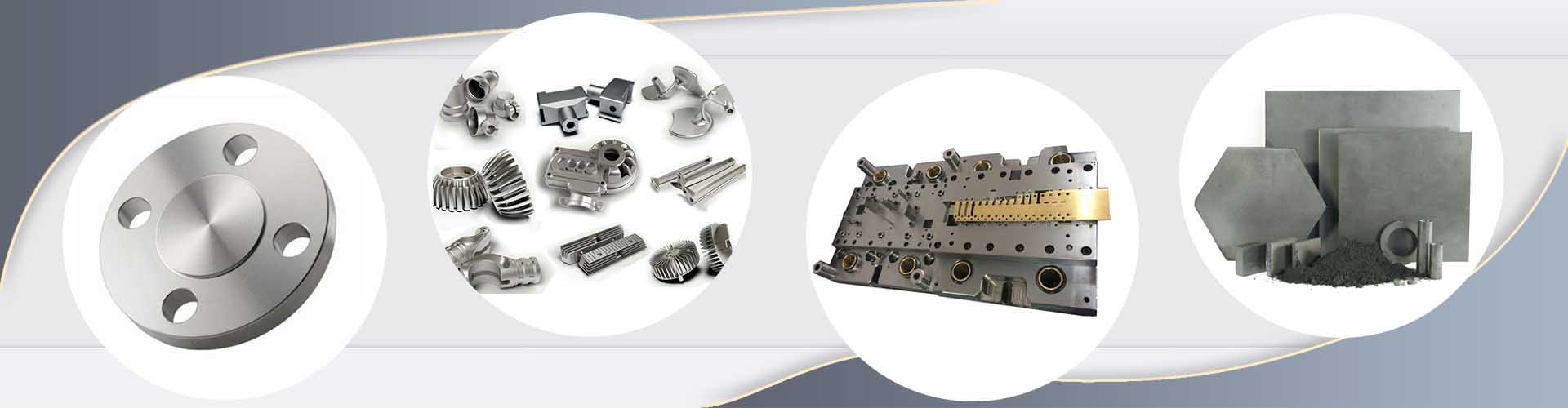
CERM not only has a complete range of semi-finished and finished products of B4C from powder, crystalline block, ingot, rod, plate, tube and precise machined parts etc.
| TYPICAL CHEMICAL ANALYSIS | |
| Chemical | High Purit |
| Total Boron | Min. 78% |
| Total Carbon | 20% |
| Total B + C | Min. 98.0% |
| Iron | 0.18% |
| TYPICAL PHYSICAL PROPERTIES | |
| Physical Property | Specification |
| Crystallography | Rhombohedral |
| Color | Black |
| Density | 2.52 |
| Moh’s Hardness | 9.36 |
| Melting Point | 2450ºC |
Boron Carbide can be machined in green, biscuit, or fully dense states. While in the green or biscuit form it can be machined relatively easily into complex geometries. However, the sintering process that is required to fully densif the material causes the Boron Carbide body to shrink approximately 20%. This shrinkage means that it is impossible to hold very tight tolerances when machining Boron Carbide pre-sintering. In order to achieve very tight tolerances, fully sintered material must be machined/ground with diamond tools. In this process a very precise diamond coated tool/wheel is used to abrade away the material until the desired form is created. Due to the inherit hardness of the material, this can be a time consuming and costly process.